
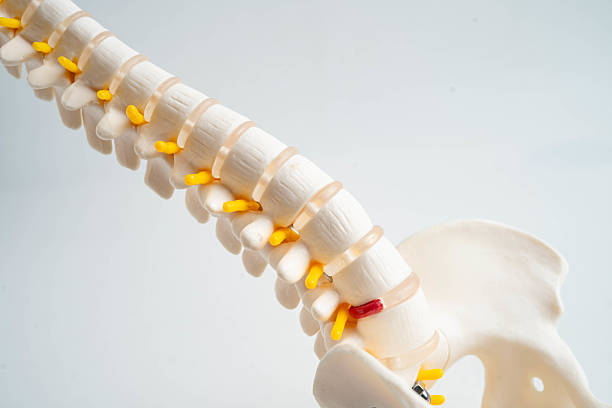
A spine fracture can change life in an instant. Whether it occurs due to a fall, accident, sports injury, or conditions such as osteoporosis, the impact on mobility and overall health can be significant.
While some fractures heal with conservative methods, others require surgical intervention to prevent long-term complications. Understanding when surgery is necessary and what treatment options are available is key to making informed decisions about spine health.
Understanding Spine Fractures
The spine is made up of small bones called vertebrae, which support the body and protect the spinal cord. A fracture occurs when one or more vertebrae break due to trauma, disease, or degeneration.
Common causes of spine fractures include:
- Road accidents or falls from height
- Sports-related injuries
- Osteoporosis, which weakens bones and makes them prone to compression fractures
- Tumours that spread to the spine, reducing bone strength
Spine fracture symptoms and care often involve:
- Sudden, sharp back pain
- Limited mobility
- Numbness, tingling, or weakness in the limbs if nerves are compressed
- Visible deformity or misalignment in severe cases
Not all spine fractures are the same. Some are stable and heal with minimal treatment, while unstable fractures can put pressure on the spinal cord and nerves, leading to severe complications.
Types of Spine Fractures
Compression Fractures
These occur when the vertebra collapses, often seen in older adults with osteoporosis. They may cause a gradual loss of height or a stooped posture.
Burst Fractures
High-energy trauma can cause the vertebra to shatter into multiple fragments, sometimes pressing against the spinal cord and nerves. These fractures are often unstable and require urgent medical care.
Flexion-Distraction Injuries
These happen when the spine is pulled apart, usually in road accidents involving seatbelts. They often damage both bone and soft tissue.
Fracture-Dislocations
The most severe type, fracture-dislocations, involves both a break and a misalignment of the vertebrae. They nearly always demand surgical stabilisation.
Why Timely Treatment Matters
Delaying treatment for a spine fracture can lead to permanent deformity, chronic pain, and neurological damage. In severe cases, untreated fractures may result in paralysis. Prompt diagnosis and intervention ensure better healing, faster healing, and a reduced risk of long-term disability.
Non-Surgical Treatment Options
Many patients are relieved to know that not all spine fractures require surgery. Non-surgical treatment for spine fractures focuses on stabilising the spine, reducing pain, and encouraging natural healing.
Bracing
Specialised spinal braces are often used to limit movement, provide external support, and allow the bones to heal correctly.
Physiotherapy
Once initial healing has begun, physiotherapy helps restore strength, flexibility, and posture. It is an essential part of spinal injury recovery and prevents stiffness in surrounding muscles.
Physiotherapy at Home for Spinal Pain
With Home Support Med, you don’t have to travel for treatment. Our certified physiotherapists provide:
- Personalized spinal rehabilitation plans
- Posture training and exercise routines
- Pain management therapies right in your home
- Regular monitoring and progress tracking
This ensures convenience, comfort, and faster recovery.
Pain Management
Medications and targeted pain relief strategies, including nerve blocks, may be prescribed. Alongside rest and activity modification, these treatments allow patients to manage discomfort while the spine recovers.
These methods work well for stable fractures, particularly in younger patients or those with minor injuries. However, they may not be effective if the fracture is unstable or causing nerve compression.
When Is Surgery Necessary?
The decision for spine fracture surgery is made when non-surgical care cannot provide adequate recovery or when there is a risk of lasting disability.
Surgery is often recommended in cases of:
- Severe or persistent pain that does not improve with conservative treatment
- Spinal instability that threatens the spinal cord or nerves
- Significant deformity or misalignment of the vertebrae
- Neurological symptoms such as loss of bladder control, weakness, or numbness
- Fractures caused by tumours or advanced osteoporosis that compromise stability
In such cases, delaying surgery can increase the risk of permanent damage. Early intervention ensures better chances of mobility restoration and long-term health.
Types of Surgical Treatments
Advances in medical technology mean that modern spine fracture treatment can be tailored to individual needs. The choice of surgery depends on the type and severity of the fracture.
Vertebroplasty and Kyphoplasty
Minimally invasive techniques that stabilise fractures by injecting bone cement often relieve pain quickly.
Spinal Fusion
This involves joining two or more vertebrae together to restore stability. It is commonly used in severe or unstable fractures.
Minimally Invasive Procedures
Advances in technology allow surgeons to repair fractures through smaller incisions, resulting in less pain and quicker recovery.
Recovery After Spine Fracture Surgery
Recovery after spine fracture surgery is a gradual process that requires patience and commitment.
- Immediate Post-Surgery: Patients may spend a few days in the hospital under close monitoring. Pain management and early mobility exercises are introduced.
- Rehabilitation: Physiotherapy focuses on restoring balance, flexibility, and muscle strength. Depending on the type of surgery, patients may begin walking with support within weeks.
- Long-Term Recovery: Spinal injury recovery continues for months. Regular follow-ups with doctors, a healthy lifestyle, and avoiding high-impact activities are crucial for success.
The recovery journey is unique for each patient, but with proper care, many return to normal activities and experience significant pain relief.
Making the Right Treatment Choice
Consulting a Spine Specialist
Only a qualified spine surgeon or orthopedic specialist can determine the most suitable treatment after thorough evaluation and imaging.
Factors Influencing Decisions
Age, bone quality, severity of fracture, lifestyle, and overall health all play a role in deciding whether surgery or conservative care is best.