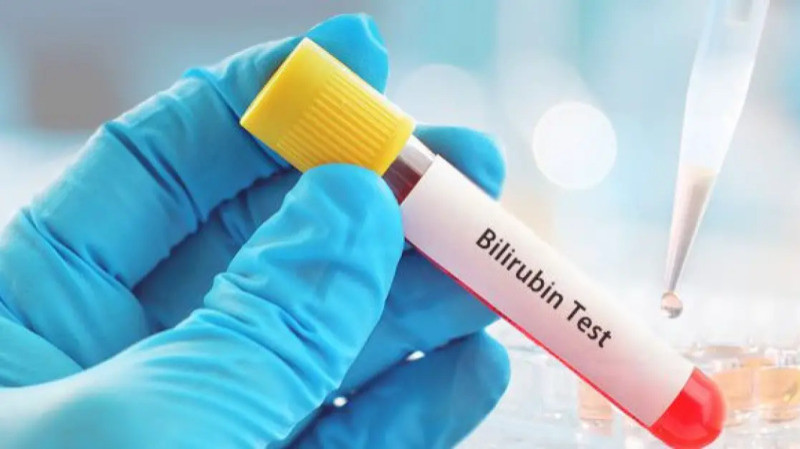
Bilirubin is a substance formed as a byproduct when red blood cells break down. It’s processed by the liver and eventually removed from the body, but when something affects this process, bilirubin levels can go up or down. A bilirubin test measures these levels and can give important clues about the liver function and overall health. Abnormal results don’t always mean something serious, but they can sometimes point to underlying conditions that need attention. In this blog, we’ll look at what bilirubin is, why the test is done, and what high or low levels could mean for you. Let’s start with the basics.
What is Bilirubin?
Bilirubin is a yellow-coloured pigment that forms when the body breaks down ageing red blood cells. As red blood cells reach the end of their life cycle, a substance called haem is released from haemoglobin. This haem is then converted into unconjugated (indirect) bilirubin, which enters the bloodstream and travels to the liver. In the liver, it is processed into a water-soluble form called conjugated (direct) bilirubin. This processed bilirubin is then passed into the bile and eventually excreted through the intestines. Most of the time, this cycle occurs smoothly, and only small amounts of bilirubin remain in the blood. However, disruptions in this process can cause bilirubin levels to rise or fall, sometimes leading to visible signs such as yellowing of the skin and eyes, a condition known as jaundice.
When is a Bilirubin Test Recommended?
Doctors may recommend a bilirubin test in several situations where liver function or red blood cell breakdown may be affected. This test helps identify or monitor underlying conditions and guide further evaluation. Common reasons for ordering a bilirubin test include:
- Yellowing of the skin or eyes (jaundice): This is often the most visible sign that prompts bilirubin testing, as it can indicate excess bilirubin in the blood.
- Unexplained symptoms: Fatigue, weakness, abdominal discomfort (especially in the upper right side), nausea, or loss of appetite may signal liver or blood-related issues.
- Dark-coloured urine or pale stools: These changes can occur when bilirubin is not processed or excreted properly.
- Suspected liver or bile duct disease: Conditions such as hepatitis, cirrhosis, liver infections, or bile duct obstruction may require bilirubin monitoring.
- Evaluation of haemolytic disorders: In cases where red blood cells are breaking down too quickly, such as in haemolytic anaemia, bilirubin levels may rise.
- Routine liver function testing: Bilirubin is often included in liver panels ordered during general health check-ups or before starting certain medications.
- Monitoring of existing conditions: People with chronic liver disease or those undergoing treatment for liver-related conditions may have their bilirubin levels checked regularly.
- Newborn screening: Bilirubin tests are commonly done in newborns to check for neonatal jaundice, which is often temporary but requires monitoring to avoid complications.
This test plays a key role in helping doctors assess what might be affecting your health and whether additional tests or treatment are needed.
What are Normal Bilirubin Levels?
Bilirubin levels are usually measured as part of a blood test and reported in milligrams per decilitre (mg/dL). The results are typically broken down into three categories: total bilirubin, direct (conjugated) bilirubin, and indirect (unconjugated) bilirubin. While reference ranges can vary slightly, the following values are generally considered normal for adults:
- Total bilirubin: 0.3 to 1.2 mg/dL
- Direct (conjugated) bilirubin: 0.1 to 0.3 mg/dL
- Indirect (unconjugated) bilirubin: Calculated by subtracting direct bilirubin from total bilirubin; usually less than 1.0 mg/dL
It’s important to note that these levels can vary based on age, sex, and lab methods. In newborns, for instance, bilirubin levels are typically higher for a short period after birth and are interpreted differently. Doctors assess bilirubin levels in the context of symptoms, medical history, and results of other tests to determine if further investigation is needed.
What Causes High Bilirubin Levels?
High bilirubin levels, also known as hyperbilirubinaemia, can develop due to issues at different stages of bilirubin metabolism, either before it reaches the liver, within the liver, or after it leaves the liver. These are commonly classified as pre-hepatic, hepatic, and post-hepatic causes.
Pre-Hepatic Causes: Increased Breakdown of Red Blood Cells
These causes occur before bilirubin reaches the liver and are primarily linked to conditions that lead to excessive breakdown of red blood cells. This results in an overproduction of unconjugated (indirect) bilirubin, which the liver may not be able to process quickly enough.
- Haemolytic anaemia: A condition where red blood cells are destroyed faster than they are produced. This can occur due to autoimmune diseases, certain medications, or inherited disorders such as sickle cell anaemia or thalassaemia.
- Inherited enzyme disorders: Conditions such as glucose-6-phosphate dehydrogenase (G6PD) deficiency can lead to red blood cell destruction, especially after exposure to certain triggers like infections or specific foods and drugs.
- Blood transfusion reactions: Receiving incompatible blood during a transfusion can trigger an immune response that destroys red blood cells, rapidly increasing bilirubin levels.
- Infections and toxins: Certain infections, like malaria or exposure to toxic substances, can damage red blood cells and cause them to break down more quickly than usual.
Hepatic Causes: Impaired Processing Within the Liver
These causes arise from liver conditions that affect the organ’s ability to take in, process, or excrete bilirubin. Both direct (conjugated) and indirect (unconjugated) bilirubin levels may be elevated in these cases.
- Viral hepatitis: Inflammation of the liver due to infections like hepatitis A, hepatitis B, or hepatitis C interferes with the liver’s ability to process and excrete bilirubin efficiently.
- Alcohol-related liver disease: Long-term alcohol use can damage liver cells, leading to conditions like alcoholic hepatitis or cirrhosis that impair bilirubin metabolism.
- Cirrhosis: Severe scarring of the liver from various causes (including chronic hepatitis, alcohol use, or fatty liver disease) disrupts normal liver function, including the processing of bilirubin.
- Gilbert’s syndrome: A mild inherited disorder in which the liver has a reduced ability to process unconjugated bilirubin. It often causes mild, fluctuating elevations in bilirubin, especially during stress, fasting, or illness, but usually requires no treatment.
- Liver cancer or metastases: Tumours in the liver can interfere with its ability to metabolise and excrete bilirubin.
- Drug-induced liver injury: Some medications, such as certain antibiotics, antifungals, or anti-seizure drugs, can cause inflammation or damage to liver cells, reducing their ability to handle bilirubin.
Post-Hepatic Causes: Obstruction of Bile Flow
These causes involve a blockage after the liver has processed bilirubin. The processed (direct) bilirubin cannot be excreted properly and builds up in the bloodstream.
- Gallstones: Hardened deposits in the gallbladder can travel into and block the bile ducts, preventing bile (and bilirubin) from reaching the intestines.
- Bile duct strictures: Narrowing of the bile ducts due to scarring, previous surgeries, or inflammation can slow or block bile flow.
- Cholangiocarcinoma or pancreatic cancer: Tumours in or near the bile ducts or pancreas can compress the ducts from the outside, leading to a backup of bile and increased direct bilirubin levels.
- Cholestasis: A condition where bile flow is reduced or stopped, either due to liver dysfunction (intrahepatic cholestasis) or blockage in the bile ducts (extrahepatic cholestasis), resulting in elevated levels of conjugated bilirubin.
What Causes Low Bilirubin Levels?
Low bilirubin levels are uncommon and usually not a cause for concern. However, several factors may contribute to reduced levels:
- Overhydration before a blood test: Drinking excessive water can slightly dilute the blood sample, which may lead to a lower bilirubin reading.
- Lab-related variation: Differences in testing equipment, methods, or calibration can sometimes result in minor variations in reported bilirubin levels.
- Use of certain medications: Drugs such as theophylline or phenobarbital may increase bilirubin clearance by enhancing liver enzyme activity.
- High-dose vitamin C or antioxidant use: These substances might reduce oxidative stress and influence bilirubin metabolism, resulting in lower values.
- High caffeine intake: Some studies suggest a link between frequent caffeine consumption and slightly lower bilirubin levels, though the effect is generally mild.
- Intense physical activity: In some cases, rigorous exercise, especially among athletes, has been associated with lower bilirubin, though the mechanism isn’t fully clear.
- Possible link to cardiovascular risk: Research has noted a potential association between low bilirubin levels and increased risk of heart disease, but this connection is not fully understood and does not confirm causation.
- Reduced antioxidant protection: As bilirubin has mild antioxidant properties, persistently low levels may indicate lower defence against oxidative stress, though the clinical relevance remains uncertain.
In most situations, low bilirubin levels do not indicate a medical problem and are not treated unless accompanied by other abnormal findings.
What to Expect When Getting a Bilirubin Test?
A bilirubin test is a simple blood test used to measure the levels of bilirubin in your bloodstream. It’s commonly performed as part of a liver function panel or when symptoms like yellowing of the skin or eyes (jaundice) are present. Here’s what typically happens during the process:
- No special preparation is usually needed: Most people do not need to fast before a bilirubin test unless advised otherwise by their doctor. However, certain medications or recent meals may affect the result, so your doctor may give you specific instructions based on your case.
- Blood sample collection: A healthcare professional will draw a small amount of blood from a vein, usually from your arm. The procedure takes only a few minutes and may cause minor discomfort, such as a brief sting when the needle is inserted.
- Post-test: There are generally no restrictions after the test. You can return to your regular activities right away. Some people may experience minor bruising or soreness at the puncture site.
- Receiving results: The results are usually available within a day or two, depending on the lab. Your doctor will interpret the findings along with other tests or clinical signs to determine if your bilirubin levels are within the normal range or if further evaluation is needed.
Overall, the bilirubin test is quick, low-risk, and widely used to help identify liver conditions, bile duct issues, or blood disorders.
When to See a Doctor?
You should see a doctor if you experience symptoms or test results that may suggest a problem with your liver, bile ducts, or red blood cells. Early medical attention can help diagnose the cause of abnormal bilirubin levels and prevent complications.
Here are some signs and situations where a doctor’s evaluation is important:
- Yellowing of the skin or eyes (jaundice): One of the most noticeable signs of raised bilirubin levels, often linked to liver or bile duct problems.
- Dark-coloured urine or pale stools: These changes may point to bile flow issues or liver dysfunction.
- Persistent fatigue or weakness: May indicate an underlying liver condition or red blood cell disorder.
- Unexplained abdominal pain or discomfort: Especially in the upper right side, which may be related to the liver or gallbladder.
- Itchy skin without a clear cause: Can be a symptom of elevated bilirubin due to bile flow obstruction.
- Unexpected weight loss, nausea, or loss of appetite: These may occur with chronic liver or metabolic issues.
- Abnormal bilirubin levels on a blood test: Even in the absence of symptoms, high or low bilirubin levels should be discussed with a healthcare provider for appropriate interpretation and follow-up.
- History of liver disease or inherited blood disorders: If you have conditions like hepatitis, haemolytic anaemia, or Gilbert’s syndrome, regular monitoring may be recommended.
Seeing a doctor at the right time can help uncover the root cause behind bilirubin changes and guide further tests or treatment if needed.
Bilirubin Test at Home with Home Support Med
At Home Support Med, we provide:
- Lab Tests at Home – blood sample collection by professionals.
- Doctor Consultation – review of your bilirubin report and next steps.
- Home Nursing Care – for patients needing ongoing monitoring.
- 24/7 Ambulance Service – in case of emergencies like severe jaundice.
With our at-home bilirubin testing service, you can get quick results and professional care without the hassle of visiting a hospital.