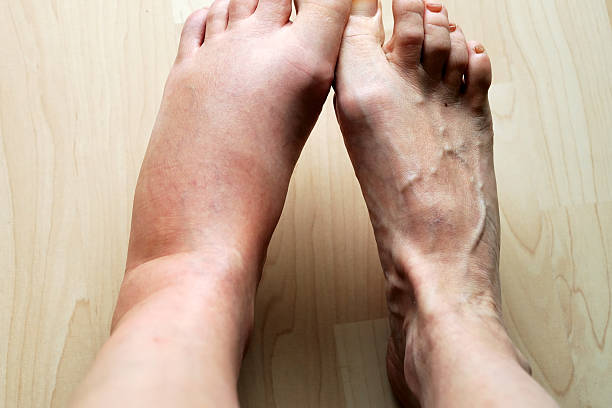
Swollen feet can make even simple tasks like walking or standing uncomfortable. Sometimes, the swelling develops gradually, making shoes feel tighter by the end of the day. Other times, it happens suddenly, leaving feet puffy and sore. It may be linked to standing for long hours, excessive salt intake, or sitting still for too long. That said, in many cases, it could be a sign of an underlying health condition that needs attention. Knowing the cause makes it easier to find the right way to manage it. This blog looks at what causes swollen feet, when to take it seriously, and simple ways to ease the discomfort at home.
What Causes Swollen Feet?
Swollen feet can result from various factors, ranging from everyday habits to underlying health conditions. In many cases, fluid builds up in the tissues due to poor circulation, inflammation, or hormonal changes. Some common causes include:
Prolonged Sitting or Standing
When standing or sitting for extended periods, gravity causes fluid to gather in the feet and ankles. This is especially common during long travel or in jobs that require being on your feet for hours, like retail or healthcare. Regular movement or shifting your weight can help reduce the build-up of fluid.
High Salt Intake
A diet high in salt can lead to the body retaining excess water. This happens because sodium pulls water into your bloodstream, and the body works to balance this by holding onto fluid. If salt is consumed in excess, particularly in processed or fast foods, it can contribute to swelling in the lower limbs, especially in individuals with conditions like high blood pressure.
Dehydration
It may seem counterintuitive, but dehydration can actually cause your body to retain more fluid. When you don’t drink enough water, your body starts holding on to the water it already has, leading to swelling in the feet and ankles. Ensuring proper hydration helps prevent this issue and supports overall fluid balance.
Injuries and Strains
Injuries like sprained ankles or fractures can lead to inflammation in the affected area. This inflammation is the body’s natural response to injury, where it sends extra blood and fluids to the site for healing. The feet may become puffy, bruised, or tender to the touch. In most cases, elevating the foot and applying ice helps reduce the swelling.
Pregnancy
Swelling in the feet is common during pregnancy due to hormonal changes and increased pressure on the blood vessels, especially as the pregnancy progresses. The growing uterus can restrict blood flow, leading to fluid build-up in the lower extremities. Keeping feet elevated and avoiding standing for too long can provide some relief.
Venous Insufficiency
This condition occurs when the valves in the veins of the legs become weak or damaged, causing blood to pool in the lower limbs. This leads to swelling, varicose veins, and discomfort. It can be managed with compression stockings, leg elevation, and exercises that promote better circulation. In advanced cases, laser ablation and venaseal glue is needed.
Kidney, Heart, or Liver Disease
Swelling in the feet can be a sign of more serious health conditions. In kidney disease, the body struggles to remove excess fluid, leading to fluid retention. Heart disease can cause poor circulation, while liver disease may result in an imbalance in proteins that help regulate fluid. In these cases, seeking medical advice is essential to manage both the condition and the swelling.
Side Effects of Medication
Certain medications, such as those used for blood pressure, hormone replacement, or steroids, can cause fluid retention. These medications affect the body’s fluid balance, leading to swelling in the feet, ankles, or legs. If this is suspected, it’s important to discuss it with a healthcare provider, as adjustments can often be made.
Infections and Inflammatory Conditions
Infections such as cellulitis or conditions like gout can cause significant swelling, often accompanied by pain, redness, or warmth in the affected foot. The swelling is a response to inflammation or infection, and treatment typically involves antibiotics or anti-inflammatory medications to control the swelling.
Swollen feet are typically not a cause for alarm, but when they persist or occur alongside other symptoms, it’s important to seek medical advice.
Who is at Higher Risk for Swollen Feet?
Certain groups of people are more likely to experience swollen feet due to various lifestyle factors, medical conditions, and other underlying causes. Understanding these risk factors can help in managing or preventing swelling.
- Older Adults: As people age, the veins and tissues in the legs may become less elastic, leading to fluid retention in the feet and ankles. Additionally, older adults may have other health conditions or take medications that increase the likelihood of swelling.
- Pregnant Women: Pregnancy increases the risk of swollen feet due to hormonal changes, weight gain, and the pressure exerted by the growing uterus on veins. Swelling is more common in the later stages of pregnancy, especially in the feet and ankles.
- People with Sedentary Lifestyles: Those who sit or stand for long periods without movement, such as office workers, truck drivers, or people on long flights, are at higher risk. Lack of movement reduces circulation and can lead to fluid accumulating in the feet and legs.
- Individuals with Obesity: Excess weight can put added pressure on the veins, especially in the lower legs, making it harder for blood to return to the heart. This can result in fluid pooling in the feet and ankles.
- People with Heart Disease: Heart conditions can affect the body’s ability to pump blood effectively, causing blood to back up in the lower extremities. This results in swelling, particularly in the feet, legs, and ankles.
- Those with Kidney or Liver Disease: Both kidney and liver diseases can disrupt the body’s fluid balance. In kidney disease, the kidneys are unable to remove excess fluids, while liver disease may lead to a protein imbalance that results in fluid retention.
- People with Venous Insufficiency or Varicose Veins: Weak or damaged valves in the veins can cause blood to pool in the legs and feet. This often leads to swelling, especially after standing for long periods or at the end of the day.
- Diabetics: Diabetes can lead to poor circulation and nerve damage, both of which increase the risk of swollen feet. Poor circulation can prevent blood from flowing back up to the heart, leading to fluid build-up in the feet and ankles.
- People Taking Certain Medications: Certain medications, such as blood pressure drugs, hormone treatments, and steroids, can cause fluid retention as a side effect. Individuals taking these medications may experience swelling in their feet, ankles, or legs.
Home Remedies for Swollen Feet
Swollen feet can often be managed at home with simple remedies that help reduce swelling and provide relief. Here are some practical options to consider:
Feet Elevation
Elevating the feet above the level of the heart is one of the most effective ways to reduce swelling. This helps fluids drain from the lower legs and ankles, allowing blood to circulate more freely. Try resting with your feet propped up on pillows for 20–30 minutes a few times a day.
Cold Compress
Applying a cold compress or ice pack to the swollen area can help reduce inflammation and numb the discomfort. Wrap ice in a cloth or use a bag of frozen peas, applying it to the feet for 15–20 minutes at a time. Avoid placing ice directly on the skin to prevent frostbite.
Foot Massage
Gently massaging the feet can help stimulate circulation and reduce fluid build-up. Start from the toes and work upwards toward the ankles, using light pressure. This encourages the movement of fluid away from the feet and helps ease discomfort.
Contrast Baths
Alternating between warm and cold water can help improve circulation and reduce swelling. Soak your feet in warm water for about 3 minutes, then switch to cold water for 30–60 seconds. Repeat this cycle for 15–20 minutes, ending with cold water.
Aloe Vera Gel
Aloe vera has anti-inflammatory properties that can help soothe swollen feet. Apply fresh aloe vera gel to the affected areas, leave it on for about 20 minutes, and then rinse off with cool water.
Epsom Salt Soak
An Epsom salt foot soak can help relieve swelling and soothe tired feet. Epsom salt contains magnesium, which can help reduce inflammation. Add half a cup of Epsom salt to a basin of warm water and soak your feet for 15–20 minutes. This can also help relax your muscles after a long day.
Herbal Teas
Some herbs, such as ginger and turmeric, are known for their anti-inflammatory properties and may help reduce swelling. Drinking herbal teas made from these ingredients or adding them to your diet can provide relief over time. Always check with a healthcare provider before using herbs to ensure they’re safe for you.
Foot Soak with Apple Cider Vinegar
Apple cider vinegar is believed to help reduce fluid retention due to its potassium content, which can balance sodium levels in the body. Add a cup of apple cider vinegar to a basin of warm water and soak your feet for about 15 minutes.
When to Seek Medical Help?
Swollen feet are often temporary, but certain symptoms should not be ignored and require medical attention:
- Severe Pain, Redness, or Warmth: These could indicate an infection or blood clot that requires immediate treatment.
- Sudden or Severe Swelling: If swelling appears suddenly or becomes extreme, it may be linked to a more serious condition such as heart, kidney, or liver problems.
- Shortness of Breath or Chest Pain: These are signs of possible heart failure or a blood clot in the lungs, which are medical emergencies.
- Difficulty Moving or Walking: If the swelling makes it hard to move the feet or bear weight, it could indicate an injury, deep vein thrombosis, or another complication.
- Chronic or Persistent Swelling: Swelling that doesn’t improve over time may point to a long-term health issue such as venous insufficiency or lymphatic problems.
- Accompanying Symptoms: Nausea, vomiting, or fever alongside swelling could suggest an infection or another serious condition.
How Home Support Med Can Help
At Home Support Med, we provide:
- Doctor on Call for medical evaluation of swollen feet
- Nursing Care at Home for monitoring and managing underlying conditions
- Physiotherapy at Home to improve circulation and reduce swelling
- Lab Tests at Home to check kidney, liver, and heart function