
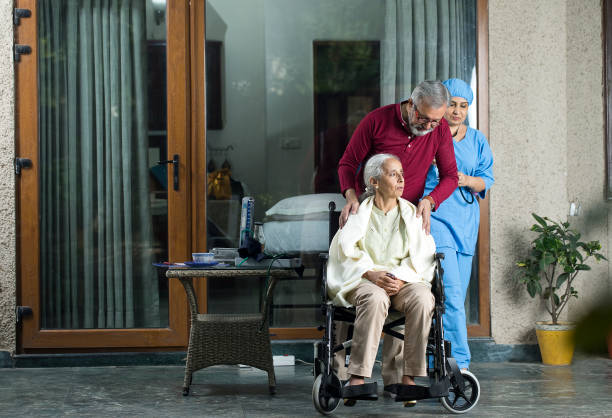
Deciding when to move from a care home to a nursing home is an important choice that demands thoughtful consideration. Recognising the signs that indicate this need, understanding the difference between a care home and a nursing home, navigating the transition steps, and addressing financial aspects can contribute to making an informed decision.
Signs It May Be Time to Move to a Nursing Home
1. Increased Medical Needs
If your loved one requires frequent medical attention, medication management, or monitoring of chronic conditions (such as diabetes, heart disease, or dementia), a nursing home may be the safer option.
2. Frequent Hospital Visits
Multiple emergency room visits or hospital admissions could signal that their health needs are beyond what a care home can provide.
3. Mobility Challenges
When walking, transferring, or moving around becomes very difficult and frequent falls occur, professional nursing support ensures safety.
4. Advanced Dementia or Alzheimer’s
Severe memory loss, disorientation, or behavioral changes often require specialized dementia care, which is usually available in nursing homes.
5. Complex Medication Management
If your loved one needs injections, IV therapy, or multiple daily medications that must be strictly monitored, nursing care is essential.
6. Declining Ability in Daily Activities
When basic self-care (eating, dressing, hygiene) is no longer manageable even with caregiver support, a nursing home provides full assistance.
The Emotional Side of Transition
Moving a loved one from a care home to a nursing home is not just a medical decision — it’s an emotional one. Families often feel guilt or fear, but it’s important to remember:
- The goal is to provide better quality of life and safety.
- Nursing homes offer access to trained doctors, nurses, and rehabilitation specialists.
- Your loved one may actually feel more secure with round-the-clock care.
How Home Support Med Can Help
At Home Support Med, we offer home-based nursing services that often delay or reduce the need for moving to a nursing home. With:
- Nurses at Home for complex care
- Physiotherapy at Home for mobility and recovery
- Doctor on Call for medical monitoring
- 24/7 Emergency Ambulance Services
…families can continue to care for loved ones in the comfort of their homes for as long as possible.
Key Differences Between Care Homes and Nursing Homes
Understanding the difference between care and nursing homes is essential when considering the transition. These differences can significantly impact the level of care and support provided. Here are the key aspects to consider:
Level of medical care provided: Care homes focus on assisting with daily activities, such as bathing, dressing, and medication management. Conversely, nursing homes offer a higher level of medical care, including skilled nursing services, regular monitoring of vital signs, and other medical services. This enhanced level of care makes nursing homes more suitable for individuals with complex medical needs or chronic conditions.
Staff qualifications and availability: Both care homes and nursing homes have trained staff members. However, nursing homes typically have a higher ratio of registered nurses and medical professionals to provide specialised care. Additionally, nursing homes often have staff available 24/7 to meet residents’ needs, including medical emergencies.
Types of services and support offered: Care homes assist with daily living tasks, such as meal preparation, housekeeping, and personal care. They also offer social activities and companionship to promote overall well-being. In contrast, nursing homes not only assist with daily activities but also provide medical services, physical therapy, and specialised care programmes tailored to each resident’s unique needs.
Understanding what’s the difference between a nursing home and a care home is crucial when determining the right level of care for yourself or a loved one. Consulting with healthcare professionals, such as doctors or social workers, can provide guidance based on individual circumstances.
Steps to Transition from Care Home to Nursing Home
When considering moving a loved one from a care home to a nursing home, it’s important to approach the transition with care and thoroughness. This process involves finding the right nursing home, assessing the resident’s needs, and preparing for the move to ensure a smooth transition.
Assessing the resident’s needs is the first step in determining if a move to a nursing home is necessary. This involves evaluating their medical condition, mobility, and any specific care requirements. Involving the resident and their family in this process ensures their preferences and concerns are taken into account.
Once the decision to move from a care home to a nursing home has been made, finding the right one becomes crucial. Researching and visiting different nursing homes allows you to assess their facilities, staff qualifications, and the level of care they provide. It is recommended to choose a nursing home that specialises in the specific needs of the resident, whether it be dementia care, rehabilitation, or general nursing care.
Preparing for the move and ensuring a smooth transition is essential to minimise any disruption or stress for the resident. This includes coordinating with the care home and nursing home staff to facilitate a seamless transfer of medical records and personal belongings. Additionally, communicating with the residents and keeping them informed throughout the process can help alleviate any anxiety or concerns they may have.
Cost Considerations and Financial Planning
When considering a move from a care home to a nursing home, understanding the cost implications and planning financially is crucial. Recognising the difference between care home and nursing home costs is essential to make an informed decision.
Care homes typically assist with daily activities, such as bathing, dressing, and meals, while nursing homes offer more specialised medical care and support. Consequently, nursing homes often have higher costs compared to care homes.
Comparing the costs between care homes and nursing homes is important to ensure you can afford the required level of care. Factors to consider include accommodation fees, care fees, and additional charges for specialised services or treatments.
Financial planning is crucial for long-term care. Creating a budget that accounts for all potential expenses, including accommodation, care fees, medical treatments, and additional services, is advisable. Consulting with a financial advisor can help you understand the best options for managing your finances and ensuring your long-term care needs are met.
At Home Support Med, we understand the importance of a smooth transition. Our team can guide and support you through the process. Contact us using the form or call us on 904-831-6868 to speak with one of our experient care solutions advisors and learn more about our care homes, nursing homes and home care services.